
Welcome to the world of vaccinations, where acronyms like Tdap and DTaP might leave you feeling like you’re drowning in an alphabet soup. But fear not, because today we’re going to decode this vaccination jargon and shed some light on what these terms actually mean.
Tdap and DTaP are both vaccines that protect against three serious diseases: tetanus, diphtheria, and pertussis (whooping cough). While they might sound similar, there are some key differences between the two. Tdap is a booster shot given to adolescents and adults, providing a much-needed boost of protection against these diseases. On the other hand, DTaP is a vaccine primarily given to infants and young children to build immunity against the same trio of diseases. So whether you’re a parent trying to understand your child’s vaccination schedule or an adult in need of a booster shot, join us as we navigate the world of Tdap and DTaP and uncover the importance of this vaccination alphabet soup.
Vaccines play a crucial role in protecting individuals from infectious diseases. Tdap and DTaP are two vaccines that specifically target tetanus, diphtheria, and pertussis. These diseases can have severe consequences, and vaccination is the most effective way to prevent them. Both vaccines contain acellular pertussis components, meaning they use purified pieces of the pertussis bacterium rather than the whole cell. This approach was developed to reduce side effects compared to the older whole-cell pertussis vaccines used decades ago.
The capitalization in the vaccine names is intentional and medically significant. In DTaP, the uppercase “D” and “T” indicate full-strength doses of diphtheria and tetanus toxoids, along with acellular pertussis. In Tdap, the uppercase “T” represents full-strength tetanus protection, while the lowercase “d” and “aP” indicate reduced amounts of diphtheria and pertussis components. These reduced quantities are appropriate for booster dosing in older children and adults.
Tdap is a booster shot given to adolescents and adults. It contains reduced doses of diphtheria and pertussis antigens compared to the childhood DTaP vaccine, while maintaining full tetanus protection. The purpose of the Tdap booster is to provide additional protection against these diseases, as the immunity acquired from childhood vaccinations can wane over time.
DTaP, on the other hand, is a vaccine primarily given to infants and young children. It contains higher amounts of diphtheria and pertussis antigens to build strong initial immunity during early childhood, when protection is most critical. It is administered in a series of doses to ensure optimal immunity is achieved. Now that we have a basic understanding of Tdap and DTaP, let’s delve deeper into their differences.
Tdap and DTaP may sound similar, but they have some important differences. One of the key distinctions lies in the quantity of diphtheria and pertussis antigens they contain. DTaP includes higher amounts of these components to establish primary immunity in infants and young children. Tdap contains reduced amounts of diphtheria and pertussis antigens, which are sufficient to boost existing immunity in adolescents and adults while minimizing side effects.
Another difference between Tdap and DTaP is the intended age group. DTaP is used during early childhood as part of the primary immunization series. Tdap is used later in life as a booster dose to reinforce protection that may decrease over time.
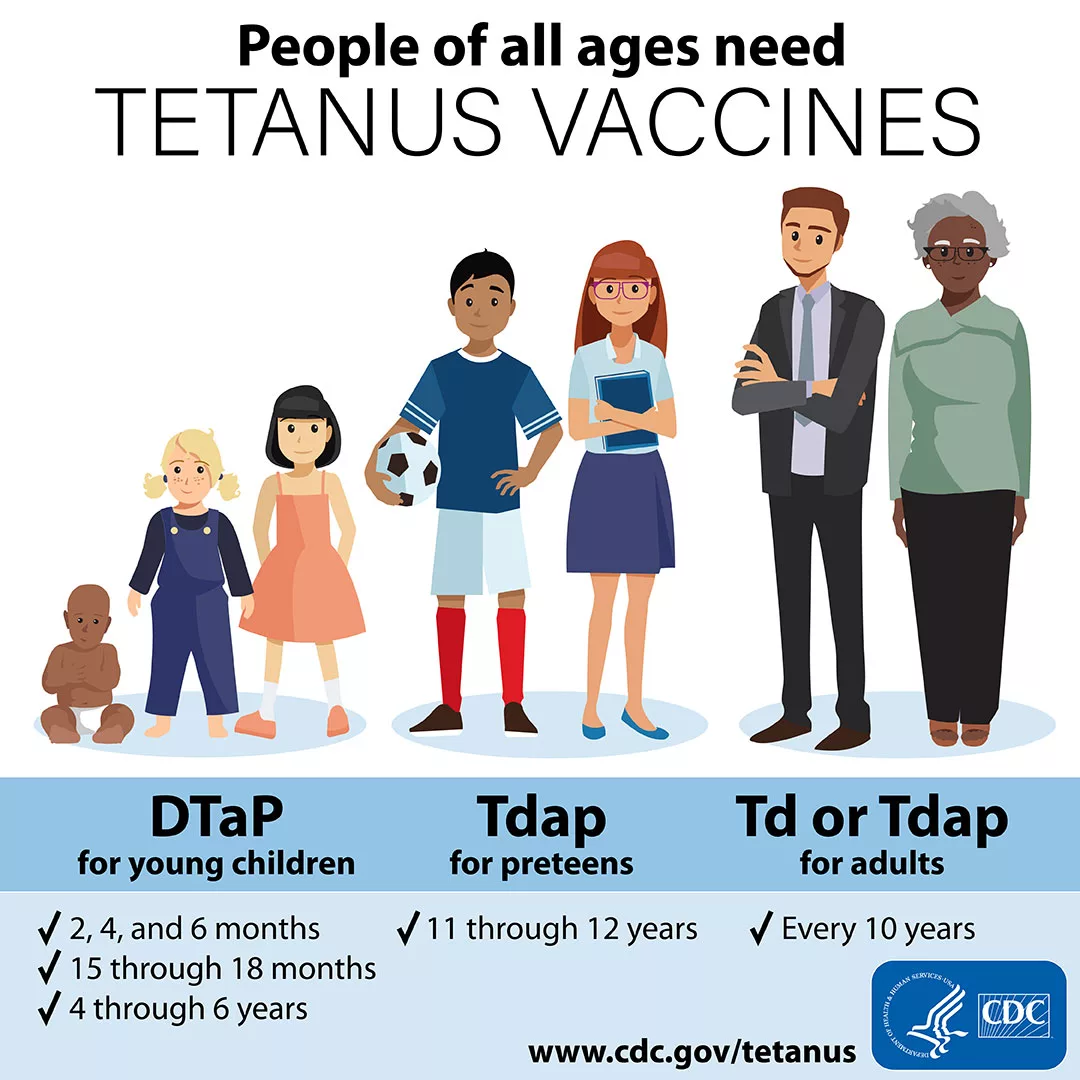
It is also worth noting that the timing of Tdap and DTaP vaccinations differs. Tdap is typically administered as a single dose during adolescence, around the age of 11–12 years. It is recommended as a booster shot to reinforce the immunity acquired from childhood vaccinations. DTaP, on the other hand, is given to infants and young children in a series of five doses. The primary series begins at two months of age, followed by doses at four months and six months, with booster doses administered at 15–18 months and again between the ages of four and six years. This schedule is designed to provide optimal protection during the years when children are most vulnerable.
The timing and schedule for Tdap and DTaP vaccinations are crucial to ensure optimal protection against tetanus, diphtheria, and pertussis. The routine DTaP series typically begins at two months of age, with additional doses at four months and six months. Booster doses are then given at 15–18 months and again between four and six years of age. This five-dose series helps build and maintain strong immunity throughout early childhood.
For adolescents and adults, the recommended schedule for Tdap is different. The Centers for Disease Control and Prevention (CDC) recommends a single dose of Tdap at age 11–12 years as part of routine adolescent immunization. If individuals did not receive Tdap at that age, they should receive a catch-up dose as soon as possible. Pregnant women are also recommended to receive a dose of Tdap during each pregnancy, preferably between 27 and 36 weeks of gestation, to help protect newborns from pertussis in the first months of life.
It is important to note that recommended schedules may vary slightly based on country-specific guidelines or individual medical conditions. Always consult with a healthcare professional to determine the appropriate vaccination schedule for you or your child.
Like any medication or vaccine, Tdap and DTaP vaccines can have side effects, although they are generally mild and temporary. The most common side effects include pain, redness, or swelling at the injection site. These local reactions usually resolve within a few days. Some individuals may experience fatigue, headache, or a low-grade fever, which are considered normal responses to vaccination.
Serious side effects from Tdap and DTaP vaccines are rare. Severe allergic reactions, known as anaphylaxis, occur in approximately one to two cases per million doses administered. Guillain-Barré syndrome (GBS) has been reported very rarely after tetanus-containing vaccines, but the risk is extremely low. Individuals with a history of GBS within six weeks of a previous tetanus-containing vaccine should discuss this with their healthcare provider before vaccination.
It is important to remember that the benefits of vaccination in preventing potentially life-threatening diseases far outweigh the minimal risks associated with these vaccines. Vaccine safety is continuously monitored, and extensive research supports their safety and effectiveness.
Both Tdap and DTaP vaccines are generally safe and well tolerated. The most common side effects are mild and temporary, usually lasting for a few days. These include soreness at the injection site, mild swelling, low-grade fever, fatigue, and headache.
These side effects are signs that the immune system is responding appropriately to the vaccine. Most individuals experience little to no disruption to daily activities, and symptoms typically resolve without any specific treatment.
While rare, there are a few more serious reactions that can occur after receiving Tdap or DTaP. Anaphylaxis, a severe allergic reaction, is extremely uncommon and occurs in about one to two cases per million doses administered. Immediate medical treatment is effective if this reaction occurs.
Guillain-Barré syndrome has also been reported very rarely following tetanus-containing vaccines. However, the overall risk is very low, and current evidence shows that the protective benefits of vaccination significantly outweigh this rare possibility.
When comparing the side effects of Tdap and DTaP vaccines, it is important to consider the age groups receiving them. Infants and young children who receive DTaP may experience more noticeable local reactions, such as redness or swelling at the injection site. Adolescents and adults who receive Tdap may be slightly more likely to experience systemic symptoms like fatigue or headache.
Overall, both vaccines have strong safety profiles. The occurrence of serious side effects is extremely rare, especially when compared to the risks posed by tetanus, diphtheria, and pertussis infections themselves.
Understanding the differences between Tdap and DTaP vaccines, as well as their potential side effects, is crucial in making informed decisions about vaccination. Both vaccines are effective in protecting against tetanus, diphtheria, and pertussis, but they are recommended for different age groups and contain different quantities of certain components.
Common side effects are generally mild and temporary, while serious reactions are extremely rare. The benefits of vaccination far outweigh the risks, and immunization remains one of the most effective tools available for preventing serious infectious diseases.
By staying informed and discussing any concerns with a healthcare professional, individuals can confidently make decisions about vaccination for themselves and their families. Vaccination helps protect not only the individual but also the broader community, reducing the spread of preventable diseases and safeguarding public health.