

Central and South America are the kind of destinations that stay with you long after you’ve come home. The towering peaks of the Andes. The raw, breathing wilderness of the Amazon. The color and rhythm of cities like Cartagena, Buenos Aires, and Rio de Janeiro. This region holds some of the most extraordinary experiences on the planet — and every year, millions of travelers make the journey to find them.
But beneath the beauty lies a reality every smart traveler needs to understand. Central and South America present a unique set of health risks that can turn the trip of a lifetime into a medical emergency. Before you embark on your adventure, knowing what you’re up against — and how to protect yourself — makes all the difference.
When you’re traveling internationally, especially to a region as diverse as Central and South America, vaccinations are one of the most important decisions you’ll make before you ever board a plane.
This region spans tropical rainforests, high-altitude mountain ranges, and coastal cities — each carrying its own set of health threats. Mosquito-borne illnesses like dengue fever, Zika virus, and malaria are actively transmitted across much of the region. Waterborne diseases like typhoid and cholera remain a real risk in areas with limited sanitation infrastructure. Yellow fever is a serious concern in jungle and tropical zones — and several countries require documented proof of vaccination just to enter.
These aren’t distant possibilities. They are documented, preventable risks that affect real travelers every single year. Getting vaccinated before your trip isn’t just about protection — it’s about giving yourself the freedom to be fully present. To explore without hesitation. To come home healthy, with every memory intact.
South America is a vast continent with diverse climates and environments, which means there are specific health risks associated with each region. From tropical rainforests to high-altitude mountain ranges, it’s important to be aware of the diseases prevalent in the areas you plan to visit. Some of the common diseases and health risks in South America include:
It’s important to note that this is not an exhaustive list, and there may be other diseases and health risks specific to certain regions within South America. Therefore, it is crucial to consult with a healthcare professional or a travel health clinic to determine the specific vaccinations and preventive measures needed for your travel itinerary.
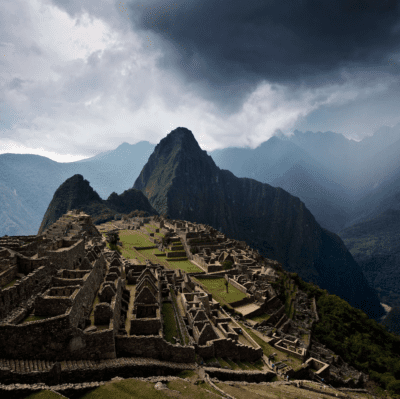
In addition to vaccinations, our travel bags at Immunize Los Angeles include other health precautions and travel essentials to ensure a safe and enjoyable South America adventure. Here are some important factors to consider:
Vaccinations are the foundation — but a truly prepared traveler doesn’t stop there. Before you leave, make sure you’re carrying a well-stocked travel health kit: pain relievers, antidiarrheals, motion sickness medication, and any personal prescriptions your doctor has recommended. And don’t forget a copy of your vaccination records. Several countries across Central and South America require proof of yellow fever vaccination at the border — being unprepared can mean being turned away before your trip even begins.
At ImmunizeLA, our Los Angeles travel health specialists are here to make sure that never happens to you. We’ll review your itinerary, assess your specific destinations, and build a personalized vaccination plan tailored to exactly where you’re going and what you’ll be doing when you get there. No generic checklists. Just expert guidance built around your trip.
Your adventure is waiting. Let’s make sure you’re ready for it. Our travel bags are designed to equip you with the necessary tools for a smooth and enjoyable experience.
| Vaccination | Disease Transmission | Additional Info |
|---|---|---|
| Hepatitis A | Consumption Of Contaminated Food Or Water | Recommended for travelers of this region. |
| Hepatitis B | Exposure To Contaminated Body Fluids (Sex, needles, etc.) | Recommended for travelers of this region. |
| Rabies | Bitten Or Scratched By A Contaminated Animal | Vaccine is recommended for long-term travelers or anyone who can come in contact with such animals. |
| Typhoid | Consumption Of Contaminated Food or Water | Recommended for travelers of this region. |
| Yellow Fever | Spread through infected mosquito bites | Required for visiting parts of South America |